
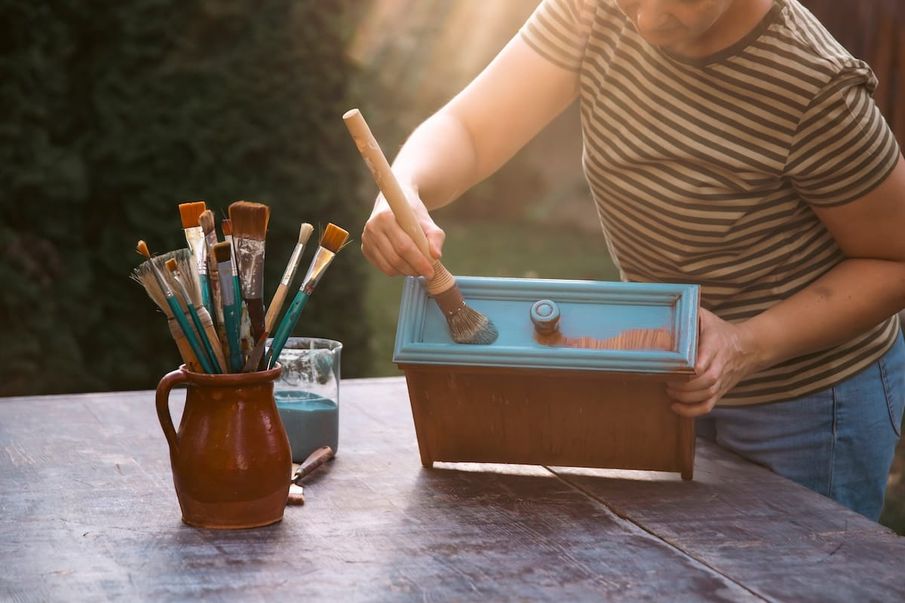
From saving money and reducing waste to building stronger communities, discover how the circular economy can help us rethink what we own and the impact it has on the planet
I caught myself browsing the latest book releases on my phone recently, all the while trying not to notice the towering stack of unread books silently judging me from the other side of the room.
You may not be a serial book buyer like me, but we’ve all been there. We buy something with the best of intentions – be it the life-changing memoir, the trendy jumper, or the sewing machine – yet somehow it ends up forgotten about while we’re still busy getting on with buying more and more… stuff.
But that’s not how it has to be. What if instead of thinking about what we need to buy next, we thought of ways to access what we need by borrowing or skill-swapping? What if instead of throwing away things when they break, we found ways to make them last longer? That’s the idea behind the circular economy.
A sustainable approach
The circular economy is all about moving away from those familiar patterns of ‘take, make, and throw away’. Instead, it asks that we prioritise repairing, reusing, sharing, borrowing, and recycling, in the name of sustainability. With the aim of reducing waste and making better use of the resources we already have before seeking more, it’s a concept that’s gaining momentum, with the UK government set to announce a circular economy strategy later this year. But why should we, as individuals, adopt this approach to consumption?
Save money and storage
One of the most immediate benefits of circular living is financial, which is good news as the cost of living continues to put pressure on UK households. Adopting a circular mindset might mean repairing a favourite pair of boots – which is often cheaper than buying a new pair. It could mean shopping second-hand to reduce spending, or borrowing one-off formal items from friends instead of buying brand new. Think of the items cluttering up the garage that have only been used once – from carpet cleaners to camping equipment – sharing these with others can save them money and give you more storage space.
Repair before you replace: A loose button, broken zip, or faulty phone may have plenty of life left with a simple fix. Check online for local repair services.
Shop second-hand first. Charity shops and online marketplaces are great places to find like-new items while reducing waste
Borrow or rent. For items you’ll only use occasionally, such as power tools, carpet cleaners, or party supplies, see if you can borrow from friends or use a local Library of Things.
Donate, sell, or swap. Keep clothes, books, toys, and household items in circulation by passing them on to others when you no longer need them.
Choose products built to last. When you do buy new, look for durable, repairable items made from quality materials that will last longer if you can afford them.
Discover your local community. Visit a repair café, refill shop, community garden, or clothes swap to save resources while meeting like-minded people.
Ask yourself this before you purchase. Do I really need this? Could I borrow it? Could I buy it pre-loved?
Tread more lightly
Every product manufactured requires raw materials, such as fuel and water, to bring it to life, as well as deliver it to your door. Extending the life of the things we already own reduces demand for these resources, helping to cut carbon emissions, minimise pollution, and reduce the amount of waste we send to landfill. While recycling is still important, circular thinking encourages us to prevent waste in the first place by reducing consumption.
Keep things local
Connecting with people in your community can feel awkward when everyone seems to be isolated these days, but circular living has a way of naturally bringing people together. Through repair cafés, clothes swaps, community gardens, and tool libraries, you can learn practical skills, meet neighbours, and share resources. Why not search your local Facebook group or community noticeboard for upcoming events?
Rethink what we own
It may not offer the dopamine rush that comes with buying something new, but circular thinking has the potential to revolutionise the way we relate to the things we own. Instead of mindless consumption, we might pause to ask whether we really ‘need’ that new item, whether we could borrow it, or whether there’s a pre-loved option available. And within that pause, we allow ourselves the chance to reach out to a community member, or save money for the future, or even just be grateful for the option to repair something that we actually already love.
The circular economy isn’t about being perfect or never buying anything new. It’s less drastic than that – it’s about small, thoughtful choices that add up to something bigger. Every time we repair instead of replace, borrow instead of buy, or pass something on instead of sending it to landfill, we help manage and protect resources for generations to come.
Comments