
What is it about being in a car that brings out the worst in us, and how can we learn to put calmness behind the wheel?
Take a usually calm, rational person and put them behind the wheel in a car, and you’ll sometimes be shocked by what happens. Shouting, swearing, gestures, tailgating, aggression – road rage can completely transform a person. And it’s a widespread problem, with a 2025 survey from the AAA Foundation for Traffic Safety finding that 96% of drivers admitted to engaging in aggressive driving behaviours in the previous year. So, if you don’t experience road rage yourself, you’ve almost certainly encountered it in others.
Lynn Jordan is a life coach, as well as a police driving trainer. She also previously worked as a driving instructor, and in her line of work, road rage is something she has seen regularly.
“Earlier in my career, when I worked as a driving instructor, one of the most challenging examples involved a 17-year-old learner. He was calm during the first few lessons, which focused on the vehicle controls and simple moving off and stopping. However, once we began driving on public roads, he started shouting at other road users for no obvious reason,” Lynn recalls. “The most plausible explanation was that he was modelling the behaviour he observed from one or both parents. It was a clear reminder that road rage can be a learned response.”
Road rage is such a prevalent and fascinating phenomenon that the area of research that surrounds it is extensive. In a large 2025 systematic review published in the Journal of Safety Research, road rage was found to be linked to low self-regulation, impulsivity, and hostile thinking patterns – meaning that drivers often interpret others’ actions as intentional, and then react more aggressively to minor mistakes.
“Road rage is a complex physical, cognitive, and emotional response to stress on the road,” says Lynn. “People can feel protected inside their vehicle and therefore more willing to express frustration. At the same time, many drivers are highly protective of the space around their vehicle and interpret perceived infringements as personal threats. A further factor is the common tendency for drivers to rate themselves as ‘above average’, which can reduce self-reflection and increase the tendency to blame others.”
And while there can be some relief in letting off some steam in the moment, when the driver calms down, the emotions can be harder to sit with.
“Road rage can involve sudden surges of anger, frustration, or a sense of threat. In training, we refer to this as ‘red mist’,” Lynn explains. “These feelings can be overwhelming; unless recognised early, they can be difficult to stop in the moment as they lead to tunnel vision and auditory exclusion. When calm returns, people may feel shock, embarrassment, guilt, or shame about the strength of their reaction. If an incident occurs, there may be legal, professional or personal consequences, and this can lead to anxiety about driving that increases the likelihood of future episodes.”
According to Lynn, some habits of calm drivers are…
– Taking a moment before setting off to slow breathing and
release tension
– Choosing music or audio that supports calm focus
– Maintaining a generous space around your vehicle
– Allowing extra time for your journey so delays do not immediately translate into stress
– Reframing queues as a prompt to mentally reset
– Being realistic about what actually saves time
Putting you back in the driving seat
So, how can someone take back control of their road rage? “The first step is self-awareness,” says Lynn. “Do they recognise that anger while driving is a problem, or are they primarily blaming other road users? Road rage is not an inevitable response; it is often a learned behaviour that can become a habit. Once a driver accepts it is an issue, the next step is to identify triggers (for example, time pressure, heavy traffic, or stress that we have carried over from work or home).
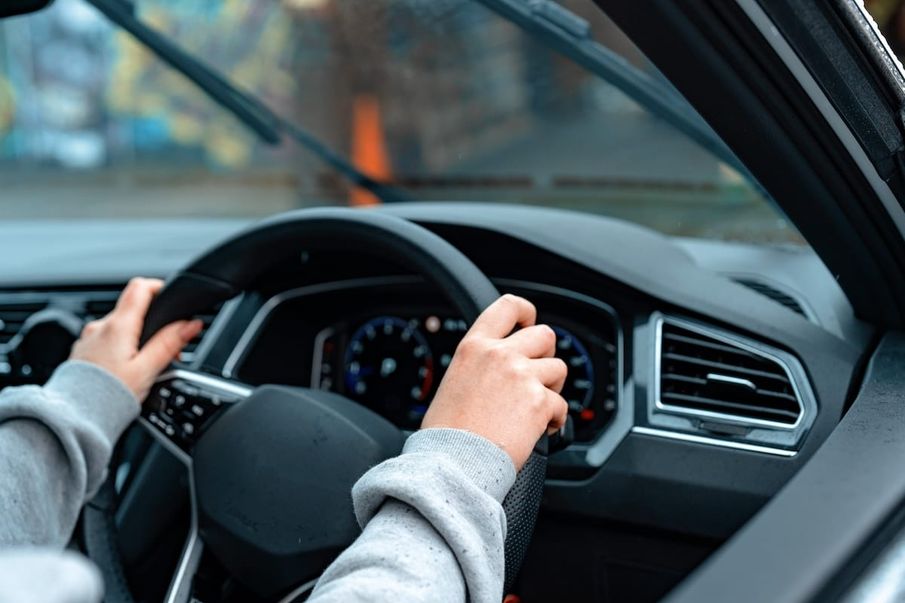
“They should also notice early bodily cues: a tight grip on the steering wheel, raised shoulders, jaw clenching, or shallow breathing. Building this awareness makes it easier to interrupt the pattern, for example, consciously loosening the grip on the steering wheel, dropping the shoulders and slowing the breath. Because the body and mind influence one another, these small physical changes can help reduce the fight-or-flight response.”
When things do go wrong on the road, Lynn recommends trying to break free of the trap of assuming the other person acted deliberately, and instead reframe it to consider whether the other driver may have been distracted, stressed, inexperienced, or simply made a mistake.
“Ultimately, we all share the road; even highly competent drivers can make errors. A helpful goal for every journey is to arrive safely and calmly, not to ‘win’ an interaction,” Lynn advises. “After a drive, particularly a difficult one, take a moment to reflect on your triggers. What did you handle well? What could you do differently next time? This reflective practice can reduce repetition and help build calmer driving habits over time.”
Something that is easy to forget is that the road is a kind of ‘social space’ – somewhere where we interact with other people, and where there are rules around politeness and engagement. A negative interaction on the road can sometimes feel even worse than one in other settings, because the stakes are suddenly so much higher when cars, money, and speed are involved.
Getting under the bonnet of road rage isn’t always simple, particularly if the underlying cause runs deep into our personal history. Counselling, coaching, or even advanced driving courses, can all help get to the core of the matter. And reframing events, tuning in to your emotions, and using initial calming exercises can all help set us on a calmer and safer route for everyone.
Comments