
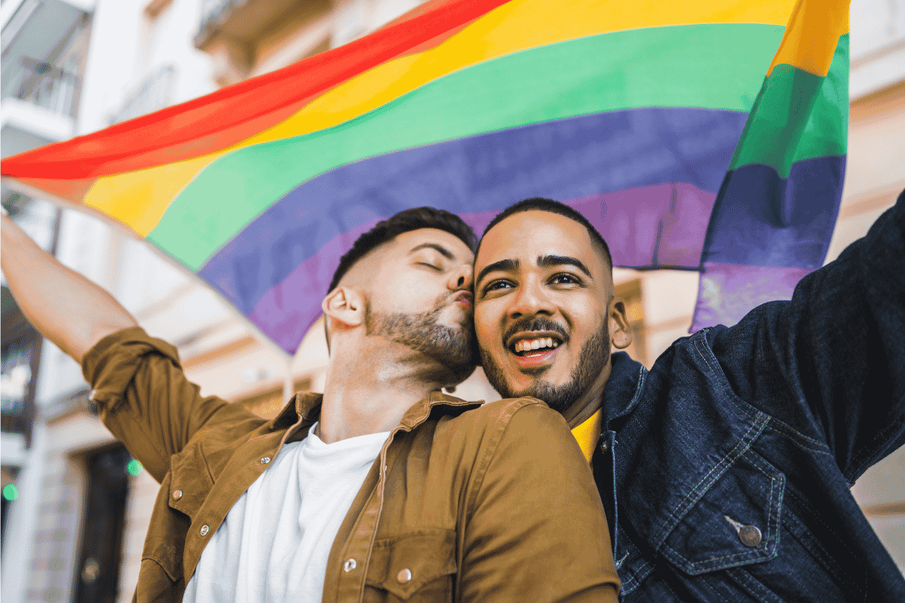
For decades, bars and clubs have been at the heart of LGBTQIA+ culture. But as more people embrace sobriety or seek alternatives to drinking culture, a growing movement is creating Pride spaces centred on belonging – no alcohol required.
Nightlife has long been central within LGBTQIA+ communities. More than a place to dance or grab a drink, these spaces function as safe spaces for people who are systemically marginalised.
But like all communities, there are a wide range of individuals with differing needs – and alternatives to drinking culture is something that feels as needed in queer culture as anywhere else.
“I used to run an alcohol-free pop-up bar in Manchester and we had loads of queer customers looking for a space that didn't involce drinking all the time,” says Karl Considine, who has been sober for over five years.
“It’s not to say there won’t always be space for bars and clubs, they are part of our heritage,” says Karl, “but at the same time, culture is shifting towards healthier habits.”
To understand why alcohol remains such a prominent part of LGBTQIA+ social life, it's important to recognise the role bars and clubs have historically played. For generations of queer people, these venues were among the few places where they could meet openly, find community, and express themselves without fear of judgement.
Long before same-sex relationships were legally recognised and queer identities became more visible in mainstream, pubs and clubs often served as vital hubs for connection. That history means conversations about sobriety in queer communities can be particularly nuanced – it's not simply about drinking, but about how people access community and feel part of it.
A Drinkaware survey of more than 3,000 LGBTQ+ adults across the UK found that 70% of LGBTQ+ drinkers reported binge drinking, compared with 62% of non-LGBTQ+ drinkers, highlighting why conversations around alcohol and wellbeing continue to resonate within the community.
Culture and community
When it comes to Pride specifically, Karl has found that often those who don’t consume alcohol struggle to find their place in the celebrations.
“Ultimately we go to bars and clubs for community,” says Karl, “and so queer spaces need to be able to create this same sense of belonging for sober people without everything being dependent on booze.”
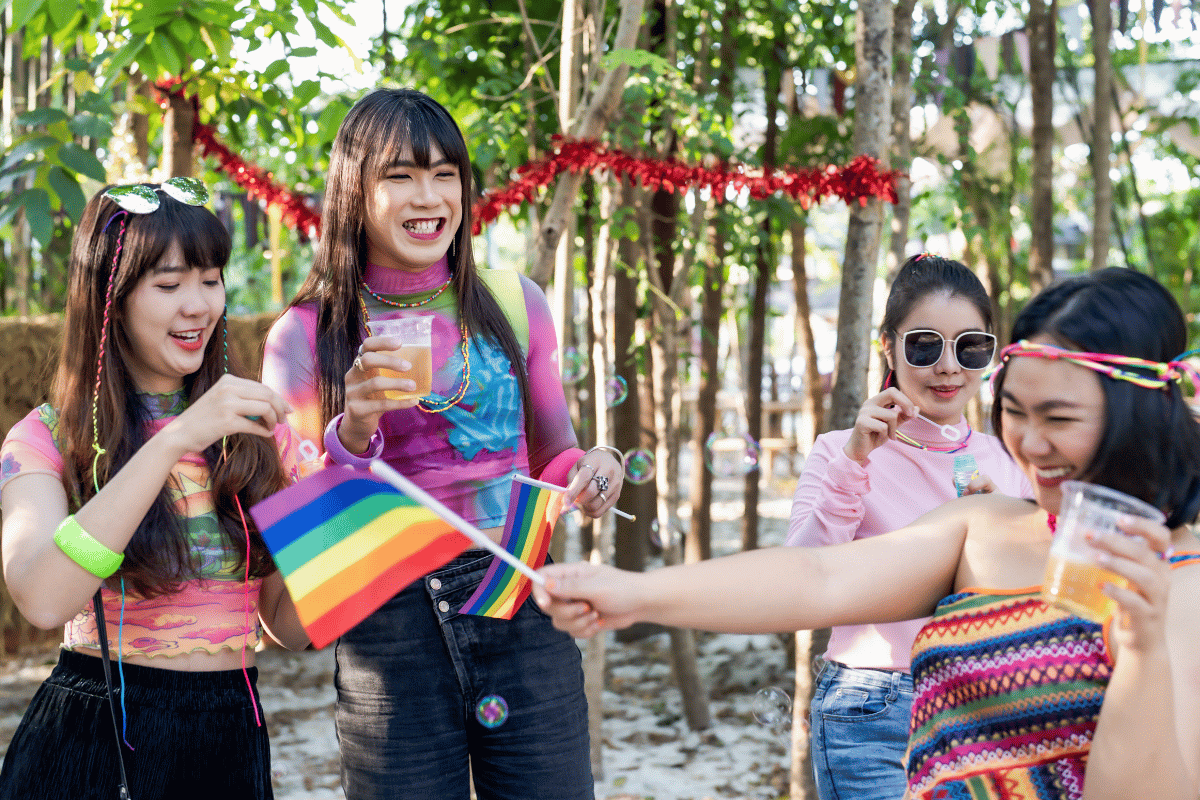
For some, sobriety is a preference, but others are navigating recovery from addiction and can find Pride's alcohol-centred culture particularly challenging.
"Some of the large Pride events still have that sense of being a massive party, and I know that for people who are in recovery, or trying to stay sober, it can feel quite isolating," says Louise McIvor, head of recovery at LGBT Foundation.
"I have a number of people that I work with that just avoid Pride and leave the city for the weekend for that reason."
The sober experience
According to Karl, the best sober events offer some sort of theme or activity to alleviate the friction that can come from feeling awkward around new people, and he has hosted specific events for the queer community including drag bingo, quiz nights, movie nights, and general mixers.
Whereas past years have focused on drinking, this year Karl plans to attend themed exercise classes and host an alcohol-free supper club. But he knows that it's not always easy.
“When I first became sober, I was actually terrified of Pride and thought that I wouldn’t be able to celebrate anymore,” says Karl. “The good news is – I was wrong!”
“Not drinking doesn’t mean you can’t still party and have a good time!"
It’s not just customers who are craving less alcohol, it’s performers, too. Drag artist and main stage host at Notts Pride 2026, Nana Arthole, (pictured below) tells me that queer sober culture is often misunderstood.
“Some partygoers simply just don’t like the taste of alcohol or have any interest in experimenting with recreational drugs. My personal story is I was sick and tired of the after-effects – as a performer, I was constantly borrowing time I’d have to pay back later by spending a day or two feeling awful on the sofa.”
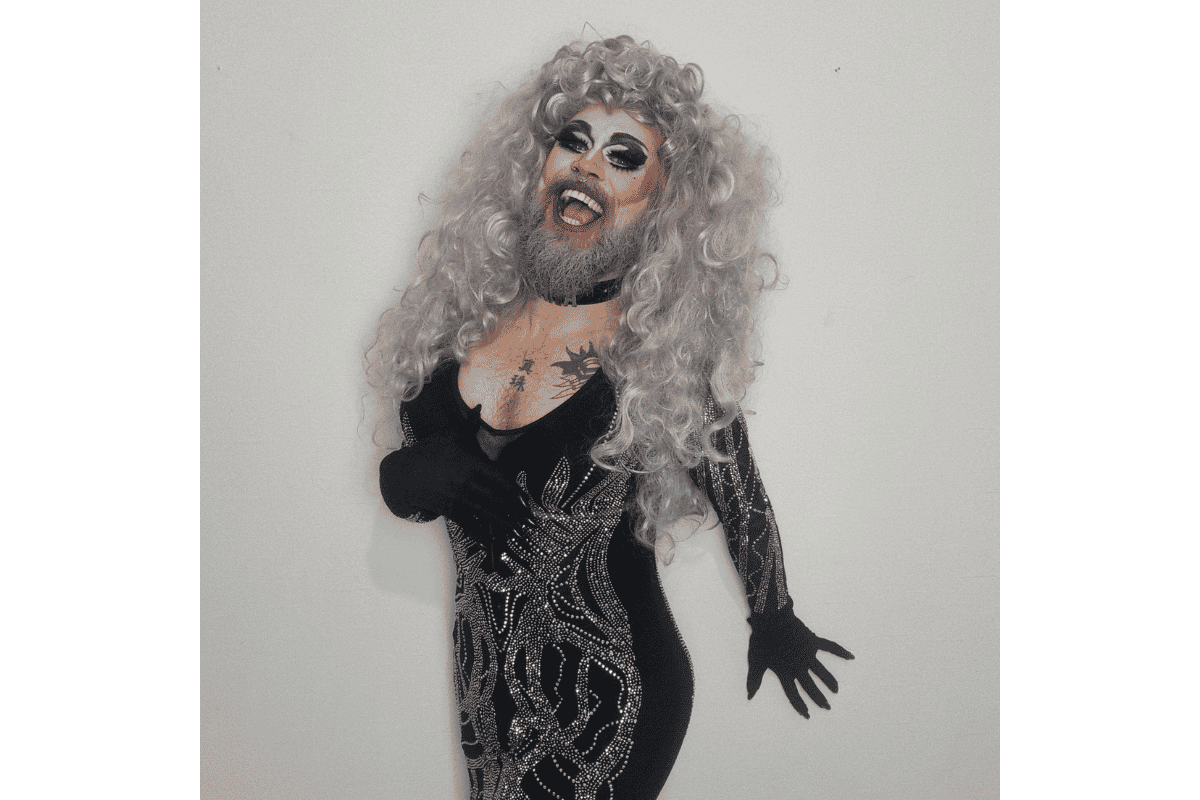
Nana’s openness about giving up drinking is symbolic of why these spaces matter, because it gives others permission to come as they are.
“I know several other sober queers that say it’s comforting to know I’m on stage also not partaking in the devil’s nectar, as it makes them feel less out of place.”
What does a sober community look like?
The good news is that sober spaces are now cropping up across the UK. Whilst queer bars and clubs aren’t as easy to find as they once were, pop-up communities are filling that gap – plus, they are making changes to include people who often feel left out.
This is exactly the premise of Sapphic Space, a CIC running sober-friendly events in Glasgow and Edinburgh, for women (trans inclusive), and non-binary people that love women. In particular, the co-founders Gaia Ragone and Ellie Devlin had a “yearning for real-life connections and friendships” that didn’t involve drinking or a night out.
“I’ve been sober my whole life and have done my fair share of partying, especially in uni, so I’m not saying that all sober people hate going out,” says Gaia.
“But I do feel like a lot of people are shifting away from nights out and looking for more activity-based, daytime things to do.”
This Pride month, Sapphic Space is hosting a prom night where people can dress up and dance the night away, an evening craft market promoting queer artists and makers, and a still life drawing class. Past events have included roller skating, a book exchange, speed-dating, and vision boarding.
Gaia stresses the value in organising events with sober folks in mind: “We simply do not plan events I wouldn’t personally want to attend as someone who doesn’t drink,” she explains.
That means also having mocktail and soft drink options carefully planned in advance, and any ‘free drinks’ included in ticket prices redeemable against either a non-alcoholic or alcoholic option.
“We’ve got a core group of regulars who have been coming to almost every event since we started a year and a half ago,” says Gaia.
“It’s been an absolute joy for us listening to their stories about how they’ve found their chosen family, their best friends, partners, etc. We’ve had people tell us that this space has changed their lives and brought them out of their shells and, honestly, it’s all we could hope for.”
It's not just grassroots organisers responding to this demand. Pride organisations and venues across the UK are increasingly recognising that not everyone wants to celebrate in the same way.
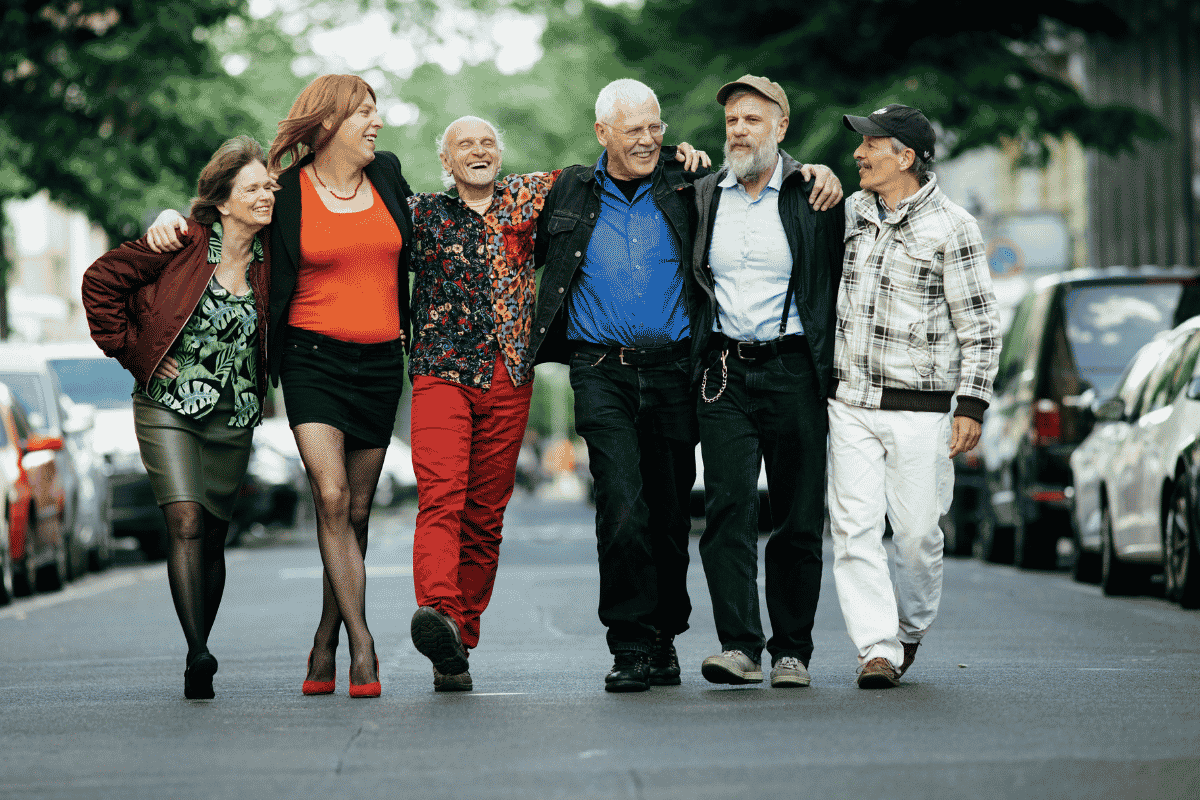
Notts Pride takes place on 25 July and will feature a family area, running from 1–3pm in Sneinton Market, designed specifically for families and younger visitors.
The city’s first non-alcoholic venue, Cafe Sobar, was created to address the fact that social isolation is one of the main barriers to addiction recovery. They’ll be hosting special events for Pride too, along with The Pride Shop, offering a much-needed space within the queer community.
Making Pride more inclusive
While many people attending are 'sober curious' (aka choosing to drink less or not at all as a lifestyle choice) there are others navigating recovery from addiction.
Although alcohol-free events are becoming more common, advocates say there is still work to do to ensure everyone feels able to participate.
It's something LGBT Foundation is working to address through initiatives such as its monthly sober social, where people can connect without alcohol while still enjoying live music, DJs, and karaoke.
“When working with people who are looking to be sober or even to reduce their use of alcohol and drugs, it can often feel like they are also sacrificing part of their identity, or their acceptance into a community,” explains Louise.
“Bars and clubs can often be the first – or only – place that they have truly felt seen, or had a sense of belonging.”
When queerness and alcoholism meet, navigating both can be particularly complicated.
“People going sober often feel like they are going to be seen as boring or they fear that they will be judged by sober people for their own alcohol use and, so, just having more positive conversations around being sober and avoiding peer pressure to drink alcohol can make a great difference to people.”
For some, Pride will always mean dancing until the early hours with friends. For others, it might look like a drag bingo night, a sober social, a craft market, or an alcohol-free supper club. The point isn't that one way is better than another, but that there is room for all of them.
Because ultimately, what people are searching for isn't a drink – it's connection. And when more ways of celebrating exist, more people have the chance to take part .
Comments