
From wowing local audiences to winning national acclaim, Ups and Downs theatre group is smashing stigmas and smiling as they go…
For many people, joining a local class or community group is something done without a second thought. But for young people with Down’s syndrome, those same opportunities can sometimes be less accessible.
In Motherwell, Scotland, a theatre group has been shining the spotlight on this issue for more than 30 years. Founded in 1995, Ups & Downs theatre group was created by three additional support needs teachers who recognised the value of group participation in building friendships, discipline, and confidence – values that remain at the heart of the group today.
Whether it’s belting out a power ballad, hand jiving to the Grease megamix, or celebrating at their much-loved after-parties, there are ample opportunities for self-expression and connection within a specialist environment.
This is important because, alongside structural challenges like transport, facilities, and cost, many young people with Down’s syndrome also face persistent negative assumptions about their abilities, limiting access to creative and community opportunities. And even though community participation can help people with learning disabilities hone skills and establish a sense of purpose, there is a notable need for services that are tailored to those with Down’s syndrome.
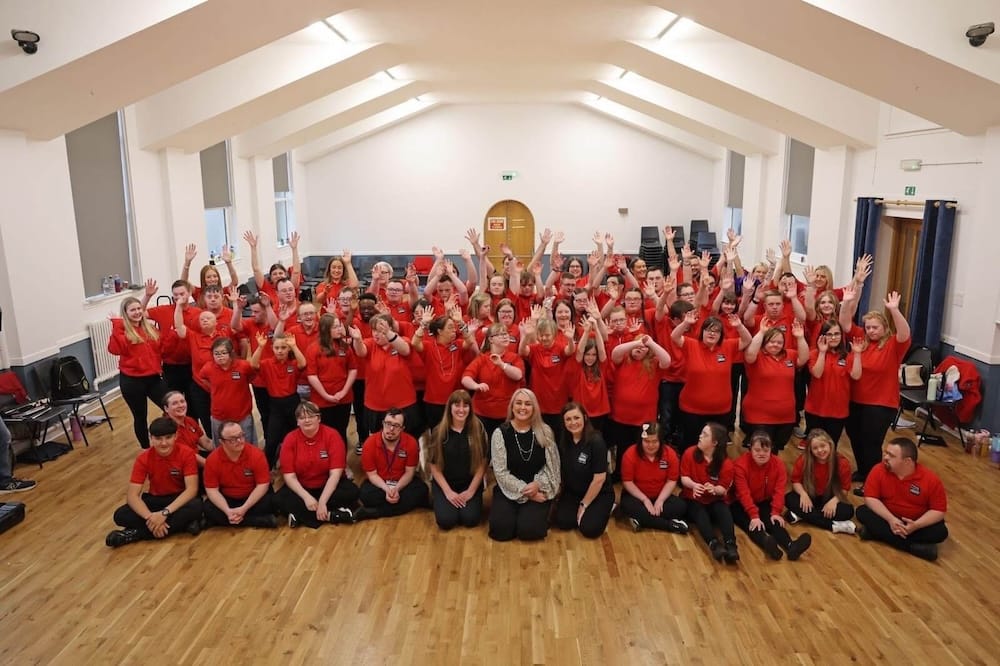
Understandably, parents and caregivers often feel fearful about their children taking part in physical activities, highlighting the importance of the kind of specialised support offered at Ups and Downs. Including family members is a core part of why the organisation has flourished. Not only are weekly sessions open to young people with Down’s syndrome, but also their siblings and parents, too. Everyone is encouraged to get involved as much as possible, helping with the smooth running of rehearsals, attending events, and promoting a supportive community for cast members.
Rehearsals take place weekly, working towards yearly shows that regularly sell out, and while their time together is structured, each session is adapted to suit different learning styles, allowing everyone to participate fully. “Every individual is accepted and celebrated for who they are,” explains Ups and Downs’ president Lorna Leggatt, “with roles tailored to showcase their abilities, whether through music, dance, sign, or script.”
Over time, organisers say the group has continually evolved in response to its members, learning the importance of flexibility, patience, and focusing on individual strengths to ensure everyone can contribute meaningfully – whether that’s singing in the chorus line or taking on a leading role.
It’s this welcoming atmosphere that has contributed to the positive outcomes for members, with Lorna opening up to tell me about one particular story that is close to her heart:
“My son Ellis joined the group at five (and is now 27). He’s found lifelong friends and full acceptance at Ups & Downs. In 2019, when we experienced the unexpected and tragic loss of his father during show week, he insisted on not skipping a performance and finishing his final two nights in front of a sold-out audience of more than 700 people,” she says.
“The way he performed his solo that week perfectly exemplified, for me, the support, joy, and resilience our group fosters. It also succeeded in bringing him some much-needed light when he was in the darkest place.”
Lorna says that, like so many of the other members and parents, her son sees it as more than a hobby, or a place to perform The Greatest Showman soundtrack: “For him, Ups & Downs is an extended family.”
For many members, that experience translates into lasting change, with increased confidence, stronger communication skills, and greater independence carried into school, work, and everyday life. Moments of transformation can be both big and small, from shy performers delivering their first solo lines to the visible joy of audiences during performances.
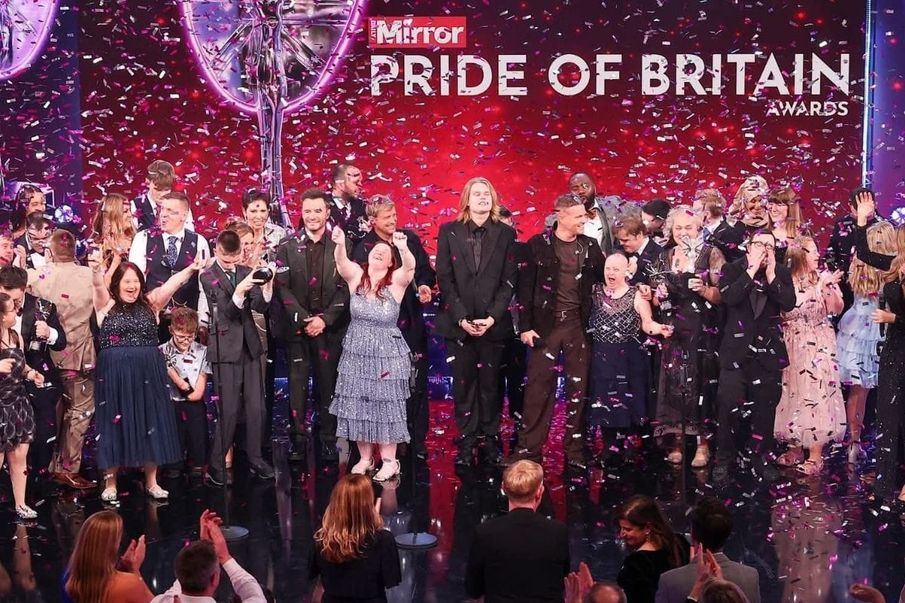
Perhaps it’s this loyalty among its members that has laid the foundation for the wide-reaching success of the group. From being awarded a Pride of Scotland award in 2025, where they received a standing ovation for their performance, to collecting the title of ‘Local Heroes’ at the Pride of Britain Awards in the same year, they are an unstoppable force of positivity.
Lorna argues that these wins are a testament to the “talent, professionalism, and creativity” of their performers, challenging the ways that people with learning disabilities can be wrongfully underestimated. “Inclusive theatre is often seen as ‘less than’ mainstream productions, when, in reality, it can be just as ambitious, entertaining, and, often, more inspiring,” she says. “Guests often arrive with low expectations but leave completely blown away by the skill, joy, and emotion our cast members deliver.”
Behind the performers gracing the stage at live performances are the volunteers who keep things going behind the scenes. From stitching sequins onto handmade costumes and handling live production elements like sound and lighting, to mentoring and supporting members to feel their best, every volunteer plays a vital role in putting on not just an entertaining show, but a heartwarming experience for everyone involved.
Like many community organisations, Ups & Downs faces ongoing challenges, particularly around funding, but the continued support from families, volunteers, and audiences keeps the group moving forward.
What happens on stage is only part of the story. Behind it lies a community built on trust, support, and shared experience – one that continues to grow, week by week, long after the final bow.
Comments