
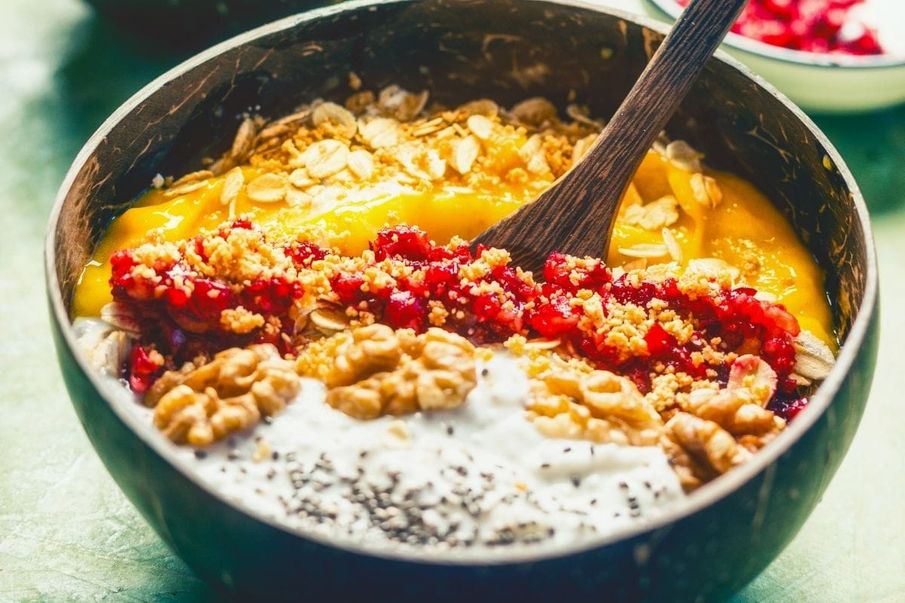
Nutritional therapist Claire Barnes explores how probiotics, food, and daily habits can work together to build a happier, healthier gut
What are probiotics, and how do they work within the body?
Found naturally in fermented foods such as kefir and sauerkraut, probiotics are live micro-organisms – mostly beneficial bacteria – that, when consumed in the right amounts, can support gut and overall health. They can also be taken as supplements.
Rather than taking up permanent residence in the gut, probiotics are like friendly visitors. They travel through the intestines, helping digestion, immune balance, and maintaining the gut lining, before moving on. Along the way, they create a healthier environment by lowering pH, strengthening the intestinal barrier, and producing compounds like B vitamins, vitamin K, and short-chain fatty acids.
Since around 70% of our immune cells live in the gut, probiotics also have an important role in immune function – helping to keep harmful microbes in check, and creating conditions where beneficial bacteria can thrive.
Should everyone take probiotics, or only in certain circumstances?
Most people don’t need to take probiotic supplements every day long-term, but they can be helpful at certain times – e.g. when taking antibiotics (at least two hours apart), travelling abroad, or recovering from illness.
They also support those with gut imbalances (when harmful microbes outweigh beneficial ones) – often presenting as heartburn, irregular bowel movements, or bloating. Probiotics can be effective in a broader gut-healing plan, particularly if you struggle to tolerate fermented foods.
For most of us, gut health can be maintained through food. Traditionally, fermented foods like sauerkraut, kefir, kombucha, and kimchi were everyday staples – until they largely disappeared from modern Western diets. Reintroducing these probiotic-rich foods helps nourish the microbiome, and build lasting resilience, while supplements offer targeted support when your gut needs an extra helping hand.
What are some natural, food-based ways to support a healthy gut?
A diverse, fibre-rich diet is one of the best ways to keep your gut happy. Aim for at least 30 different plant foods each week – fruits, vegetables, nuts, seeds, legumes, pulses, wholegrains, herbs, and spices – as variety helps your microbes thrive. Try to include fermented foods daily, such as kefir, yoghurt, sauerkraut, kimchi, tempeh, miso, and kombucha, all of which naturally provide beneficial bacteria for your gut.
Feed your gut microbes with prebiotic fibres found in onions, garlic, leeks, asparagus, oats, mushrooms, chicory, yacon root, and Jerusalem artichoke, as well as colourful polyphenol-rich foods like pomegranates and berries. Bone broth adds amino acids, such as glutamine and glycine, which help protect the intestinal lining, while butter and ghee contain butyrate – a key energy source for gut cells.
You can also give digestion a boost by including bitter leaves like rocket, or a splash of apple cider vinegar, before meals to stimulate digestive juices and enzyme release.
What simple daily habits can help people nurture their gut health in the long-term?
Gut health thrives on rhythm, variety, and consistency. Aim to eat around 30 different plant foods each week, along with prebiotic and fermented foods daily, for a probiotic boost.
Before eating, take a moment to relax and switch into ‘rest and digest’ mode. Try spacing meals around four hours apart to allow the gut’s migrating motor complex (MMC) to perform its natural ‘housekeeping’ between meals. Whenever possible, eat at regular times: breakfast within an hour of waking; your main meal around midday; and a lighter evening meal, at least two hours before bed, in order to support overnight repair.
Finally, move your body, stay hydrated, and wind down with an evening ritual – perhaps a warming adaptogenic latte – to encourage relaxation, sound sleep, and gentle repair.
Comments