
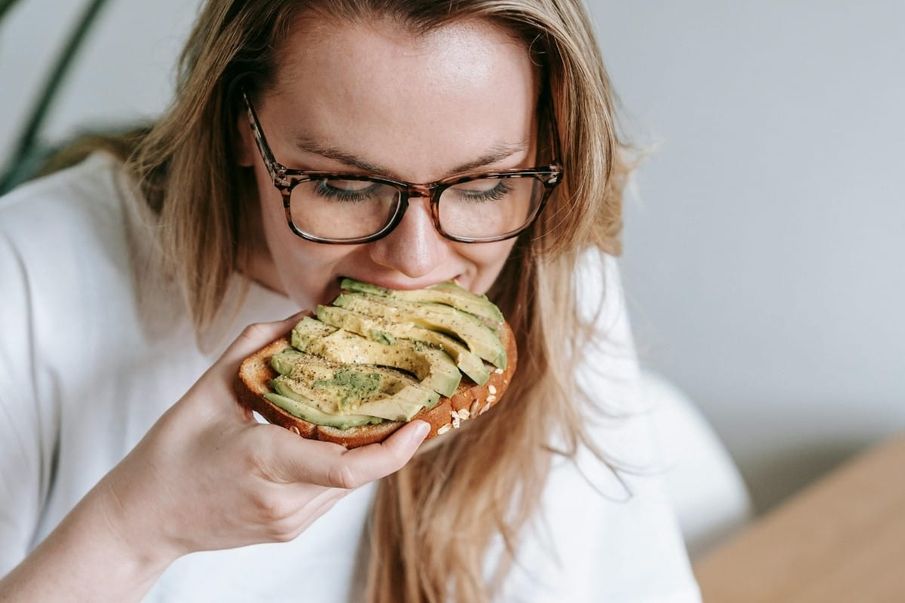
Unlock the secret power of this common food group, to make the most of its long-lasting benefits
It’s safe to say that the wellbeing trends we see on our social media feeds aren’t always totally reliable. But the new kid on the block, ‘fibremaxxing’, might just be the exception to the rule. While the name falls in line with other optimising trends (such as sleepmaxxing, flavourmaxxing, or looksmaxxing), the goal of ‘fibremaxxing’ is less about aesthetics, and instead is about utilising a core element of nutrition (that often gets overlooked) to benefit your health and wellbeing. And there’s sound evidence to support this pursuit.
Is fibre worth the hype?
“Fibre is an incredibly underrated nutrient,” says registered nutritionist Lucy Jones. “It plays a big role in digestive health, helping to keep things moving in your gut, and preventing constipation.”
It also ensures things are moving in the right direction, keeping your digestive system flowing by feeding your friendly gut bacteria – particularly through prebiotic fibre – which helps to support an overall more healthy and diverse gut microbiota. As Lucy notes: “A happy and healthy gut microbiota has numerous health benefits, ranging from good digestion to blood sugar control, and supporting immune health.”
In fact, Lucy references the fact that higher fibre intakes are even linked to a reduced risk of type 2 diabetes, as “fibre also helps steady blood sugar levels, reducing sharp spikes and crashes that lead to tiredness and cravings”, and can help you feel fuller for longer.
Widespread research has explored the health impact of this nutritional staple, including a 2025 umbrella review of existing studies into fibre consumption, published in Clinical Nutrition, which featured data from more than 17 million individuals – and the benefits were indisputable. The study found fibre to be a protective factor against several major diseases, including cardiovascular disease, some cancers (specifically pancreatic and ovarian cancer), and all-cause mortality (meaning that people with higher dietary fibre intake tended to live longer).
Despite this, a National Diet and Nutrition Survey (NDNS) in the UK found that, while the government recommends 30g of fibre per day, according to recent NDNS data from 2019–2023, 96% of adults and children do not meet these guidelines.
Featuring a mix of these two types in your diet is vital for overall good health.
Soluble –
Found in: oats, peas, beans, skinless fruit, and potatoes.
. Dissolve in water
. Can help slow digestion
. Controls blood sugar
. Feeds your good gut bacteria
Insoluble –
Found in: whole grain bread, nuts, spinach, and green beans.
. Doesn't dissolve
. Adds bulk to stool
. Helps to push food through the digestive tract
. Can help avoid constipation
Jump on the trend
Feeling convinced? With all there is to gain from increasing the amount of fibre in your diet, this is one trend that would be worth jumping on. “It’s honestly great to see fibre getting some attention, especially after protein stole the spotlight for years,” says Lucy. “If the fibremaxxing trend encourages more people to reach that recommended 30g – or at the very least move closer to it – that’s not something I’m going to dismiss. But it’s important that this doesn’t just become another short-lived trend. Fibre needs to be something we prioritise in our meals long-term, not just while it’s trendy.”
Looking at what that means in practice, the first step is to understand where you can find dietary fibre. Top of the list is legumes, including: lentils, chickpeas, kidney beans, and split peas. These foods offer high amounts of fibre (for example, you’ll find about 8g of fibre in a 100g serving of lentils). You’ll also want to mix in whole grains like oats, brown rice, and whole-wheat bread, as well as nuts and seeds, and fruit and vegetables.
“Start with the simple swaps that are easiest to make,” Lucy suggests. “If you’re currently eating white bread, pasta, or rice, switch to wholemeal bread, wholewheat pasta, and brown rice.” As Lucy notes, these items are usually right next to each other on the supermarket shelves, making it a really low-effort change that can have a big impact. “Swapping foods you currently eat for higher fibre versions is such a quick way to maximise fibre in your diet.
“I have a motto of: ‘If in doubt, just add beans!’ I share it with many of my clients. Beans are so underrated, but they’re a great, budget-friendly way to boost fibre and protein in meals. And, they work well in lots of dishes, from curries and stews to salads and pasta,” Lucy adds.

A word of caution
So, there are no downsides, right? While this is an optimising trend we can really get behind, particularly as it aligns with general health guidance, like with any new habit, you should still exercise caution when making changes to your diet.
“While fibre is really good for us, increasing it too quickly can lead to unwanted digestive symptoms, like bloating and gassiness,” says Lucy. “I’d recommend increasing your fibre gradually, giving your gut time to adjust. Try making one change at a time, rather than overhauling your diet in one go.”
Importantly, if you have any pre-existing digestive concerns, or diet restrictions, getting advice before making changes is always worthwhile to ensure it’s the right move for you. “It’s important that anyone with gut-related conditions, like irritable bowel syndrome, should speak to a healthcare professional before significantly increasing their fibre intake, to prevent potential worsening of their symptoms,” Lucy emphasises.
Become a fibre subscriber
Increasing your fibre intake in order to reap the well-documented benefits of this dietary addition is one thing, but increasing your awareness of food groups and challenging yourself to switch things up can come with a plateful of other benefits. You may find yourself trying new food and dishes that you might have otherwise skipped, or you could unlock new favourite flavours, and you can connect with the people in your life by sharing recipes and tips.
The main takeaway here is that maximising your fibre should be more than just another wellbeing trend that falls by the wayside once the next new, shiny thing comes along. A high-fibre diet is a beneficial life-long goal that brings life-boosting rewards. So, whether it’s getting brainy about beans or clever with carrots, step on board this trend, and discover how far it can take you.
Comments