
Investigating the rise of microplastics to understand their real impact, along with methods to reduce their influence on our lives
In an age where so many of us are preoccupied with what we consume – both literally and figuratively – understanding how this impacts both our own health and that of the planet is of paramount importance. And one material that consistently makes headlines is, of course, microplastics.
From coating the pans we cook with to lining our clothes, and making up the packaging of most of what we buy on a daily basis, given how closely we coexist, it’s not surprising that microplastics have become a point of concern.
What are microplastics?
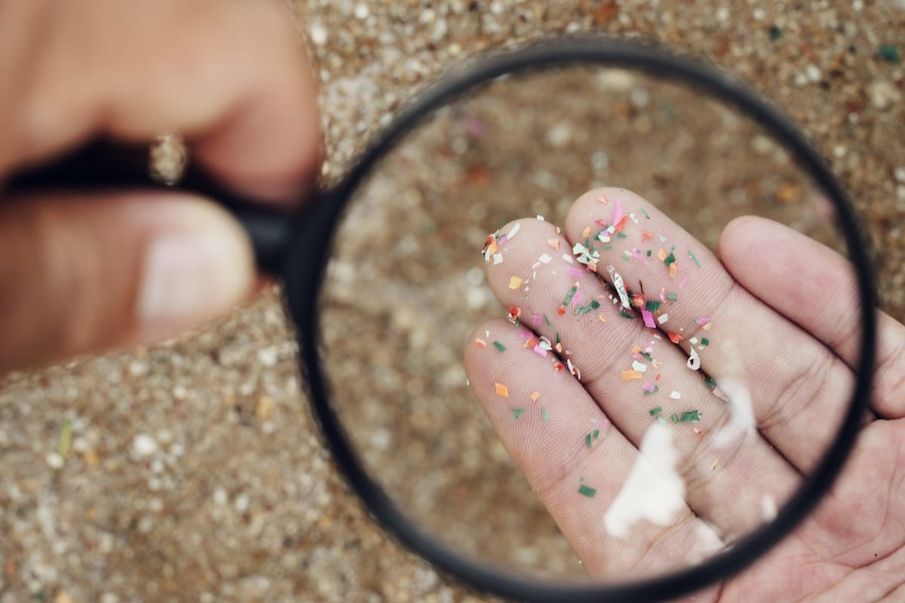
“Microplastics are tiny plastic particles that measure less than 5mm in size. The term was first coined in 2004, and, since then, awareness of microplastics has gained traction, as emerging data sheds a light on their potentially negative health impacts,” explains registered dietitian and British Dietetic Association spokesperson Dr Sammie Gill.
Referred to as ‘a material with 1,000 uses’, plastic’s commercialisation dates back to the 1950s, and its use has grown exponentially in every facet of our lives – from toys to tools, appliances and accessories. As plastic use soars (with waste estimated to triple in the next 30 years, according to the Organisation for Economic Co-operation and Development), our exposure to microplastics will also increase significantly.
How do microplastics enter our lives?
One of the key reasons microplastics can be so pervasive is their size, allowing them to infiltrate all sorts of everyday processes. In the home, we can be exposed to particles through cleaning products, and synthetic fabrics like polyester, nylon, and acrylic, that shed microplastics when manufactured, washed, and even worn. Looking to nature, microplastics could infiltrate soil through farming practices, and particles drifting down from the air. Dr Gill highlights that nanoplastics can accumulate in the roots of plants, and are then transported to other parts of the organism, such as the leaves and stems.
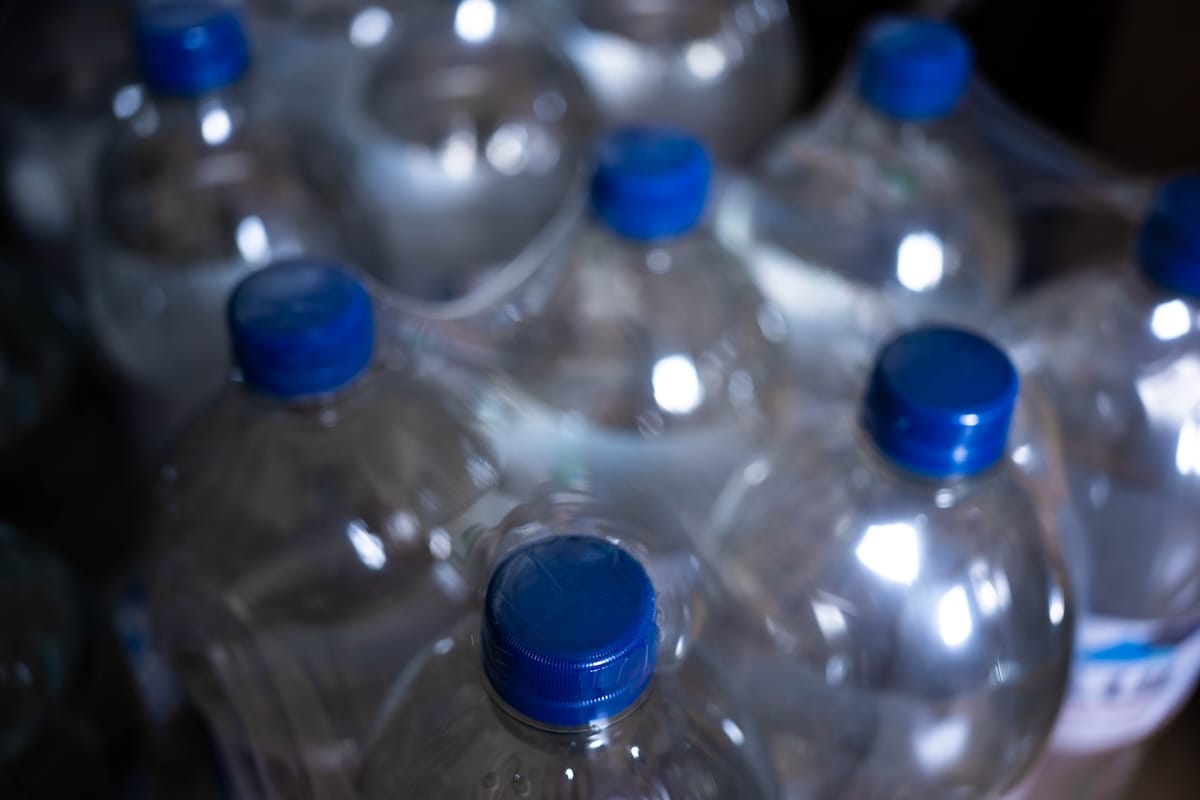
When considering the main culprits for ingestion, Dr Gill cites seafood and salt, but it’s also worth being conscious of bottled water. A 2024 study, published in the Proceedings of the National Academy of Sciences, found that the average litre of bottled water contains almost a quarter of a million nanoplastic fragments (plastic particles smaller than one micrometer, formed when microplastics break down further) – 100 times higher than previously thought.
While the figure of around 5 grams a week is often repeated in relation to how many microplastics we’re believed to consume, research from a 2022 paper, published in the Journal of Hazardous Materials Letters, actively questions the calculations behind these stats. Given how anxiety-inducing environmental matters can be, microplastics are certainly something to be aware and cautious of, but it’s worth bearing in mind that there can be unhelpful sensationalising in the media as well.
The problem with particles
Where, then, lies the harm in these tiny plastic particles? It appears that their stature is the key issue, as researcher Abena BakenRa explains: “Due to their small size, microplastics are readily able to enter and distribute in the human body in comparison to larger particles. Microplastics have been shown to bioaccumulate, meaning that they build up over time.”
We know this because post-mortem analysis has confirmed their existence inside the body – they’ve been found in organs including the brain, liver, kidney, placenta, and even the testes. Additionally, they’ve been found in a baby’s first stool, demonstrating just how invasive these polymers are.
If we take into account the harmful chemicals found in plastic, it stands to reason that there might be biological consequences to their presence. And while Dr Gill acknowledges that there are “big knowledge gaps and many unknowns”, the correlative data suggests microplastics can be detrimental to our health.
Abena and team conducted the first systematic review of existing research, which was published in 2024 in the journal Environmental Science & Technology. They found that exposure to microplastics is linked to harm to the reproductive, respiratory, and digestive systems. Specifically, they found links to various serious health effects, including lung and colon cancer, decreased sperm quality, and immunosuppression.
Additionally, in early 2025, a major study, published in Nature Medicine found much higher micro and nano plastics concentrations (up to 10 times) in people diagnosed with dementia, and, while they cannot definitely conclude they are linked, it raises valid concerns.
What can we do about the plastic problem?
While all of this points to the harsh reality that microplastics are hard to avoid, Abena says that there is value in any change you can make. “Even small reductions in exposure can reduce the overall load of microplastics in our bodies,” she says.
Both Abena and Dr Gill suggest avoiding plastic water bottles, and opting instead for stainless steel, glass, or ceramic as a step in the right direction. Interestingly, tap water often contains fewer microplastics than bottled water, so installing a home water filter can be beneficial.
Another option can be to avoid eating food packaged in plastic. If you can purchase items in paper packaging or, better yet, no packaging at all, that can make a big difference. Choose loose tea over tea bags, which can release billions of microplastic particles when steeped, and opt for fresh foods over processed ones whenever possible.
Additionally, there are plenty of alternatives to using plastic food storage and non-stick cookware, which have the potential to leach chemicals and microplastics into our foods. Glass and stainless-steel containers, as well as beeswax wraps, are better options for storing foods, plus cast iron, stainless steel, and ceramic cookware are advisable instead of non-stick cookware. For utensils, swap plastics for an old fashioned wooden spoon if you can.
In particular, it’s important to avoid microwaving plastic storage containers, as heating them in this way accelerates the breakdown of the plastic. A 2024 study in Environmental Science & Technology revealed that millions of plastic particles can be released in as little as three minutes.
Given the level of particles in textiles, cutting down on the number of clothes you purchase can limit your exposure, so too can opting for natural fibres, such as cotton or wool. Washing synthetic clothes less frequently, and using cold water can also reduce microfibre shedding into waterways.
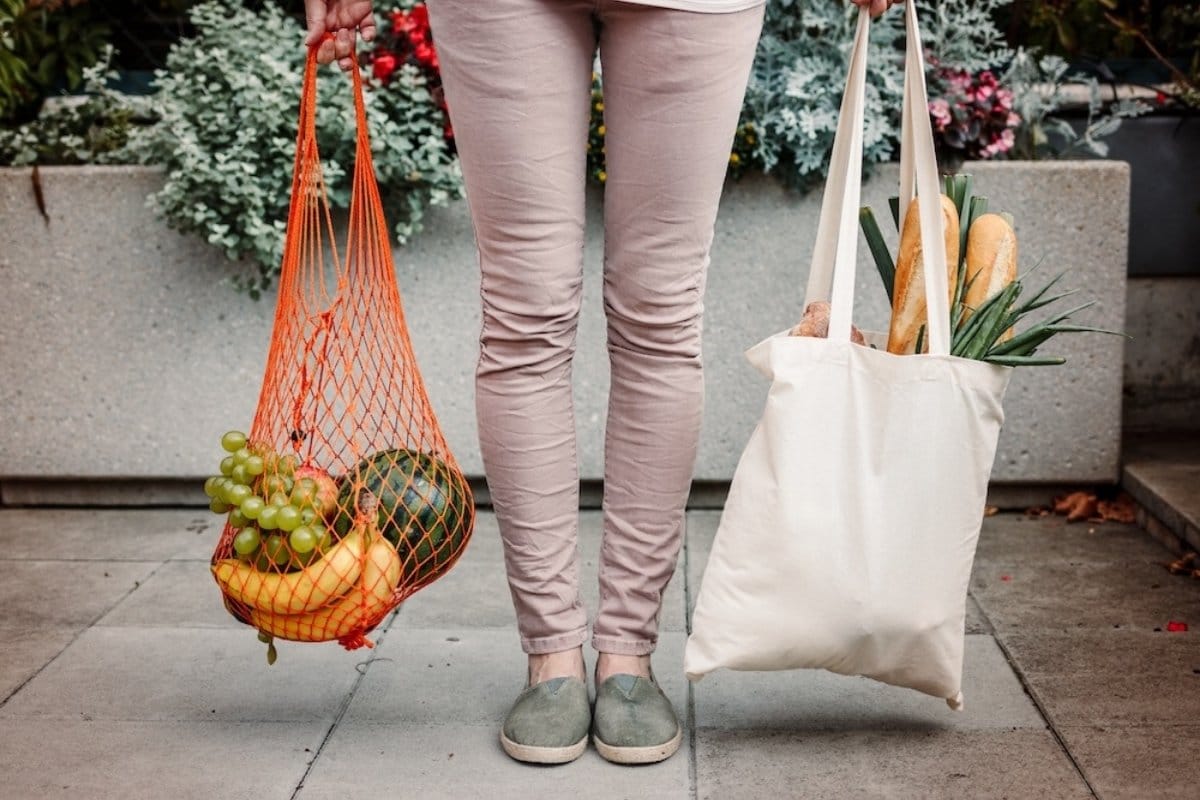
At home, simple changes like using natural cleaning products, vacuuming regularly to remove settled particles, and bringing reusable bags when shopping can all help to reduce exposure.
At the end of the day, plastic is here to stay, and we can’t control what every manufacturer uses to produce household items. But, by educating ourselves on some of the biggest contributors when it comes to microplastics, and taking steps to limit our exposure, we can at least mitigate some of the harm caused, and make more informed decisions. With that knowledge, we can begin to break the mould.
Comments