

From the first spark of attraction to ever-lasting love, experts explain how to embrace neurodiversity in your relationship
Every relationship comes with its ups and downs, and for those dating someone with attention deficit hyperactivity disorder (ADHD), this is no different. While some of their neurodivergent qualities may even be what attracted you to them in the first place – such as their creativity, spontaneity, or energy – other ADHD-related attributes can present unique challenges in romantic partnerships. So, here’s how to approach your relationship with a deeper understanding of how ADHD shows up.
Master the art of flirting
Certain facial expressions and body language may be harder for someone with ADHD to pick up on, as noted in a 2022 review in Frontiers in Psychology. Try using clear verbal cues, such as “You’re really fun to talk to” or “I love your energy” to signal romantic interest without ambiguity.
“People with ADHD often wear their emotions on their sleeve, which can make their interest come across as enthusiastic or intense,” explains Dr Elena Touroni, consultant psychologist and founder of the Chelsea Psychology Clinic. While you can be clear about your boundaries, don’t assume their intensity means things are mismatched – if they’re animated or oversharing, it’s often a sign they’re engaged.
Don’t take the post-honeymoon crash personally
According to a 2021 paper, in Psychological Research, people with ADHD tend to experience ‘hyperfocus’ more intensely and frequently. Shireen Jayyusi, neurodiversity coach at The Soke, explains that during the honeymoon period, this focus is often directed towards their love interest. “They may be spontaneous, exciting, and make big dramatic gestures,” she says. “You may feel like you’re the centre of their world – it can be the stuff of fairytale romances.”
But this phase can sometimes end abruptly. “The intense, undivided attention that one person received might wane, or in some cases disappear overnight,” says Shireen.
This shift isn’t necessarily about them losing interest; it’s often the ADHD brain seeking new stimulation, or simply returning to baseline. Try not to take this personally, consider opening up about how that shift feels, and remember to celebrate the slow burn stage of your romance, too.
Avoid the ‘parent-child’ dynamic
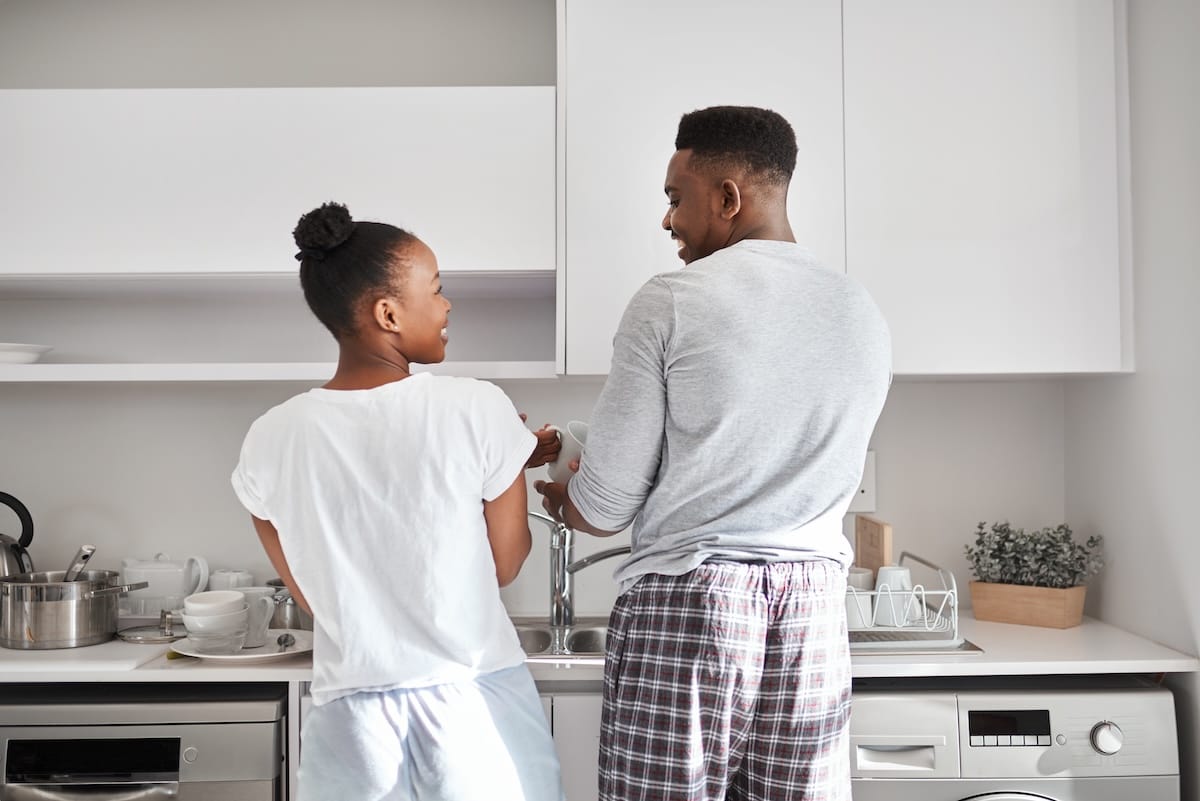
Any couple that moves in together must accept that, in reality, it’s not all excitement – eventually domestic chores, and mundane requirements need attention.
“People with unmanaged ADHD can struggle with the routine aspects of life, including repetitive household chores,” explains Shireen. “What often develops is an unhealthy parent-child dynamic, with the neurotypical partner either picking up the slack and becoming increasingly resentful, or nagging and blaming the ADHD partner continually.”
To avoid this, try dividing responsibilities based on strengths and preferences, making use of shared calendars, chore charts, or timers to create structures you can both follow.
Ask your partner if there is any way to make chores more engaging, such as playing their favourite music, gamifying tasks, or doing tasks together.
And when things inevitably slip, practise pausing before reacting. Ask: “Is this an ADHD moment or something else?” That shift in mindset can defuse tension, and give them a chance to share how they’re feeling.
Deal with emotional dysregulation together
All couples argue, but when ADHD is in the mix there may be more emotional flashpoints. Many with ADHD experience emotional dysregulation, meaning they may react more intensely to stress, criticism, or conflict. “They’ve often been criticised all their life, so are even more hypervigilant and sensitive,” says Shireen.
As with all relationship issues, both individuals should embrace a new way of relating without this falling solely on the neurotypical partner. Shireen says: “Ideally, both partners should work together to develop strategies that support the ADHD person, and offer the non-ADHD person the presence and attention they crave.”
Agree ahead of time on a phrase that means ‘Let’s pause and regroup.’ This allows both of you a way to safely exit the conversation, and avoid saying anything you might regret. When reflecting on the conflict, try pointing to the pattern, not the person. E.g. you might say “I notice we spiral when things get tense,” instead of “You always overreact.” This shifts the focus from blame to teamwork.
Similarly, it can be good to validate before jumping to problem-solving. ADHD brains often need emotional reassurance before they can engage in logic. Try: “I get that this feels overwhelming,” before jumping into solutions.
See the positives
These relationships can be truly special, as Dr Touroni says: “ADHD can bring spontaneity, creativity, and passion to a relationship, which often keeps things lively and exciting. When both partners are open and communicative, they can find common ground, even developing a shared love language that balances structure with spontaneity.
“Ultimately, many of the challenges in an ‘ADHD/non-ADHD’ relationship aren’t so different from any other; understanding each other’s needs, strengths, and limits, is key to thriving together.”
Comments