
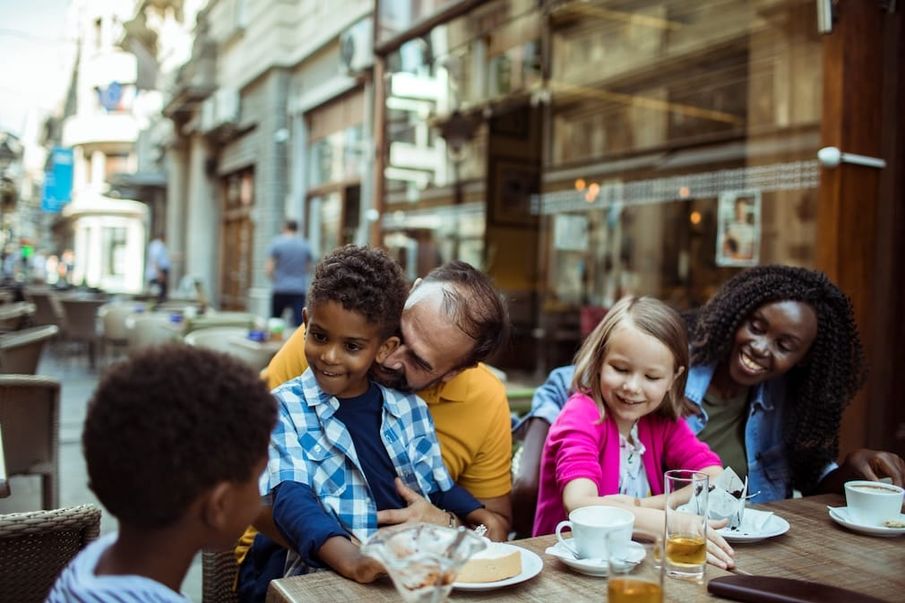
Blending families can be a beautiful thing, but also something that comes with unprecedented challenges. Here, we’re exploring five of the most common ones – along with expert insight on how to navigate them
Blended families can be complex and complicated, as anyone who’s part of one will tell you. They form when one or both parents bring children from previous relationships into a new household, combining two units into one. This kind of new family can create a mix of emotions, relationships, and expectations that challenge even the most patient adults. Children may struggle with divided loyalties, step-parents can feel like outsiders, and parents often find themselves juggling more than they ever imagined.
Understanding these challenges, and working out how to address them thoughtfully, is the first step toward building a new family dynamic that works for everyone. And recognising them early, rather than pretending they don’t exist, can make a real difference.
With that in mind, here are five common emotional challenges that blended families face, along with effective ways to approach them.
High expectations
Parents forming a new family may hope and wish that enough love will make everything work itself out. Couples might expect children to quickly accept a step-parent, or for siblings to bond easily. This often stems from optimism, and a desire to move past pain, which is completely understandable.
Adults may also assume that, because their new loving relationship has brought them comfort and happiness after loss, that it will do the same for everyone else. While there can be surprising and wonderful new relationships formed in time, the myth of ‘the instant blended family’ can set us up for disappointment. Experts in step-family relationships emphasise having patience while bonds develop slowly, comparing it to a slow-cooked meal, rather than a quick fix.
How to manage it: Set realistic expectations for both children and adults. Celebrate small moments of closeness, and introduce shared routines gradually, like weekly meals or one-on-one time, instead of pushing for instant harmony. Remember that long-term connections come from consistent, small interactions, rather than grand gestures.
Divided loyalties
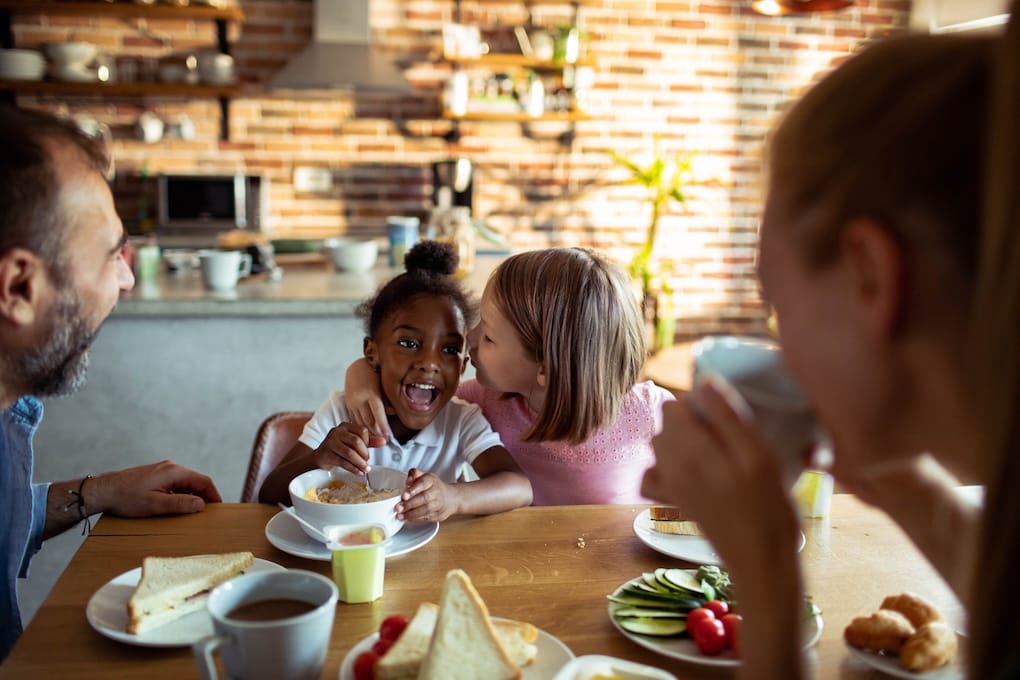
Children in blended families often carry a heavy emotional load, as they move between two homes they love. They may worry that affection for a step-parent means betraying a biological parent, which can leave them feeling torn. Meanwhile, step-parents can feel unsure of their place, and biological parents may fear losing closeness with their own child.
Family therapist and author Ron L Deal calls this the ‘loyalty bind’, which is the emotional tug that children can feel when they are caught between the love they feel for multiple adults, often leading to feelings of stress and guilt. Protecting children from being forced to choose sides is critical for their emotional health in this situation.
How to help: Acknowledge that these feelings are not only real, but normal, and allow children to express the conflict they are feeling, rather than hiding it, or thinking they have to handle it alone.
Step-parents might try to build trust gradually, letting relationships grow at their own pace. Parents can reassure children that their love is unshakable, and that caring for a step-parent doesn’t mean loving a biological parent any less. This may be difficult for parents, and requires inner work and self-reflection, perhaps journaling or personal therapy, to help them cope with their own conflicting feelings about the new relationships that their children will be forming.
Parenting across two households
Navigating different parenting styles, rules, and expectations is essential for blended families, because what’s acceptable in one house may not be in the other, and children can test boundaries or misbehave, depending on which parent is present.
The adults need to commit to working together on co-parenting. This will involve communicating and agreeing on shared boundaries, as as well as revisiting these agreements regularly as relationships evolve and children grow up.
How to manage it: Define core family values, and agree on consistent approaches to things like discipline, screen time, and curfews. Keep communication open, and schedule check-ins to prevent misunderstandings.
If the two households aren’t especially amicable, focus on what you can control. Keep your own home predictable, calm, and loving, so children feel secure no matter what’s happening elsewhere. Avoid criticising the other parent in front of the children, and help them to navigate any tensions.
Grief and loss
Every blended family begins with change – often after divorce, separation, or sometimes death – which can come with grief. Children may miss the familiarity of their old life, routines, or simply having both parents together. Adults, too, can grieve the life they once imagined, or the time they now share differently with their children.
Grief can show up as anger, silence, or resistance. A child might pull away from a step-parent, not out of dislike, but because they’re still holding on to love for a parent who isn’t there. Recognising this helps families respond with understanding.
How to manage it: Try to talk openly about what has changed, and what each person misses. Rituals can be especially powerful, providing continuity, stability, and shared experiences that create a sense of belonging. Keeping a few traditions from the past reassures children that what they loved before still matters, and introducing new family rituals can create connection.
A new blended family doesn’t mean forgetting the past; it’s about allowing the past and present to exist side by side, giving children and adults a sense of safety and emotional continuity.
Fairness and belonging
Children may notice differences in how attention, privileges, or discipline are handled. Sibling tensions can intensify, and step-children may worry about being treated as outsiders.
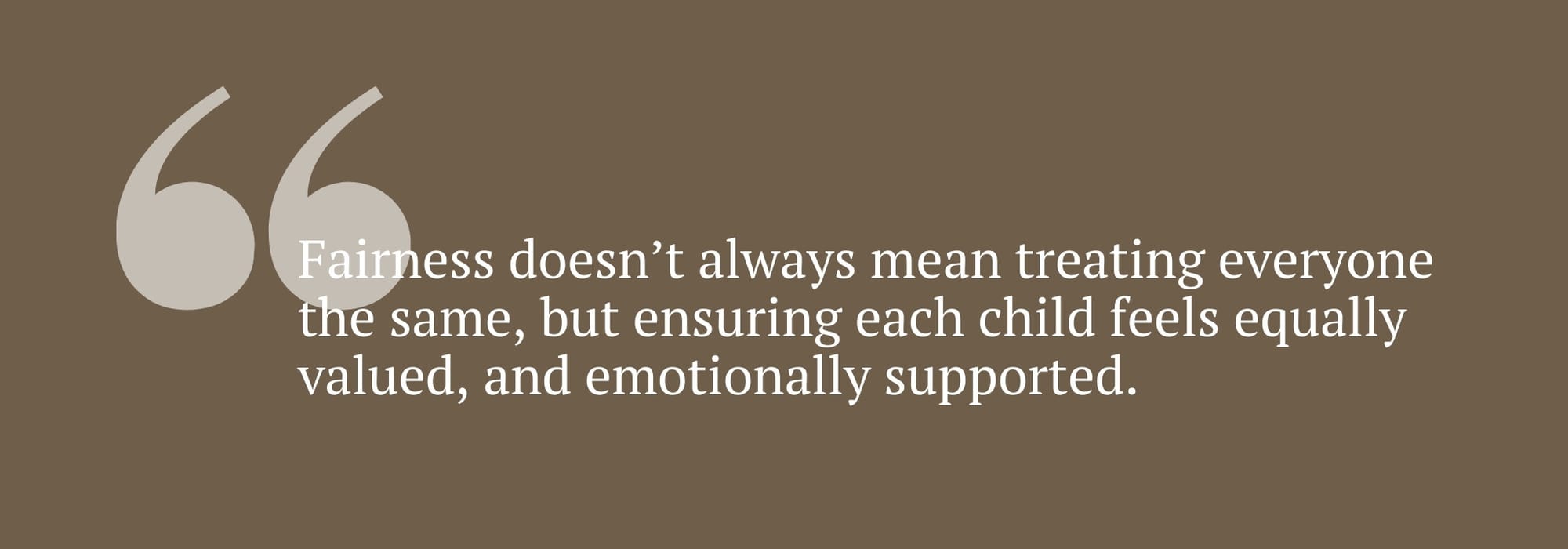
Experts stress that fairness doesn’t always mean treating everyone the same, but ensuring each child feels equally valued, and emotionally supported. When fairness feels missing, trust and belonging can erode.
How to manage it: Spend one-on-one time with each child, so that they feel important in this new family. Family meetings can ensure that everyone has a voice, and feels seen. Acknowledge feelings of jealousy or unfairness without judgement, and make sure every child knows they matter, and has a secure place in the family. Allowing space for conversations about difficult feelings, rather than ignoring them, will make a big difference.
Blending a family takes time, reflection, and a willingness to understand the experiences of everyone involved. But stability grows from empathy, and from adults doing the inner work of processing their own complex emotions, so that they can create a safe, steady environment for the children. With compassion, curiosity, and emotional awareness, a blended family can become a place of genuine connection, where everyone feels valued, understood, and hopeful about what lies ahead.
Comments